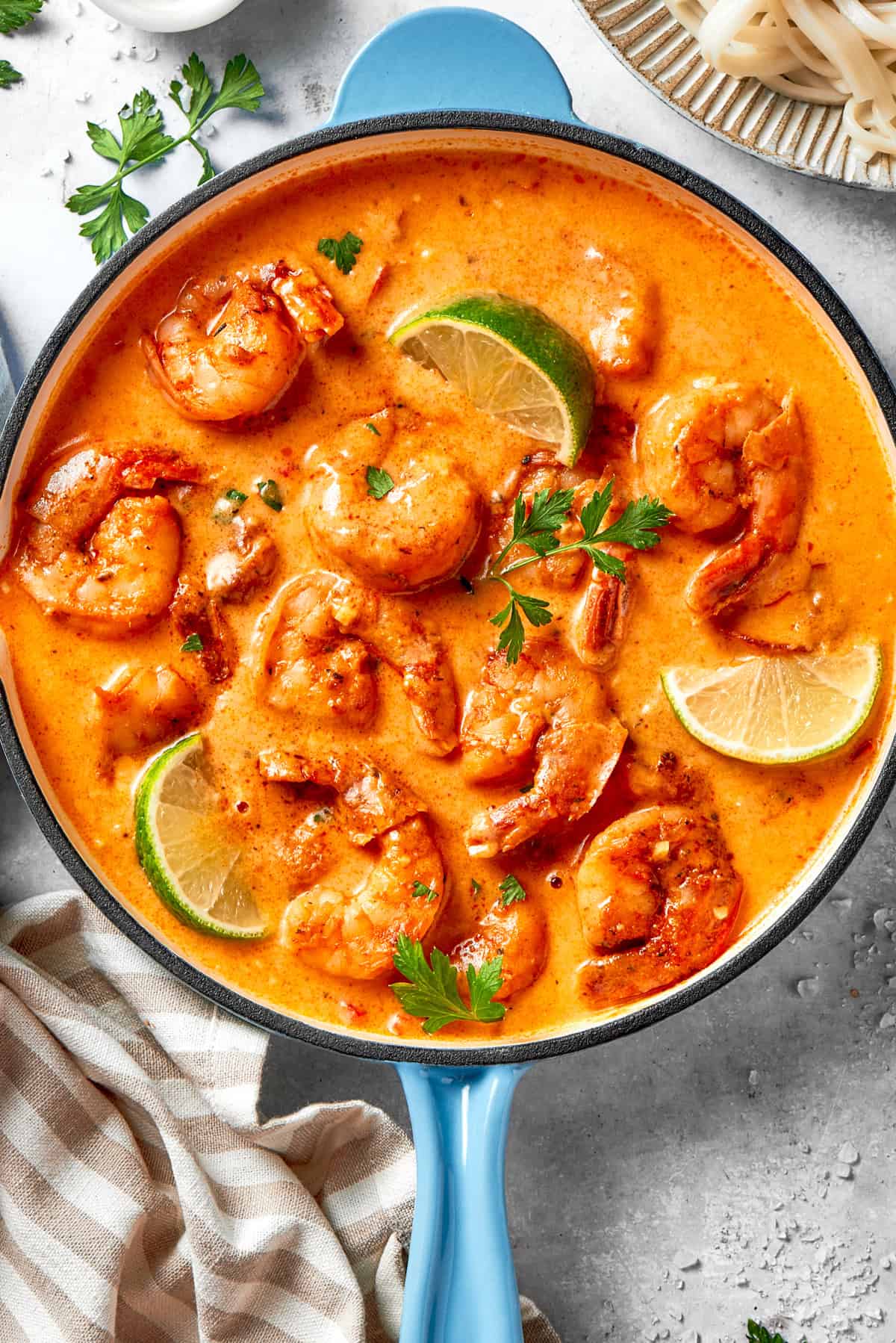
What to Eat for Dinner on a GLP1 When Nothing Sounds Good
What to Eat for Dinner on a GLP1 | How to GLP1 | I Keep It Off
Struggling to find something appealing to eat on GLP-1 medications like Ozempic, Wegovy, or Zepbound? Discover easy, high-protein GLP-1 dinner ideas, simple meal planning tips, and delicious ways to make smaller portions satisfying—even when nothing sounds good.

When Nothing Sounds Good for Dinner on a GLP-1: Simple Ways to Make Every Bite Count
Because eating less shouldn't mean enjoying food less.
Some nights, dinner sounds wonderful. You're ready for something delicious, satisfying, and maybe even a little comforting.
Other nights? You open the refrigerator, stare inside for a few minutes, close the door, and think, Nope. Nothing.
Sound familiar?
If you're taking a GLP-1 medication, you may have noticed that your appetite isn't quite what it used to be. Foods you once loved might not sound appealing, your usual portions may suddenly feel overwhelming, and cooking an entire meal when you're barely hungry seems downright ridiculous.
Here's the thing: Just because you're eating less doesn't mean you should settle for food you don't enjoy.
When your appetite is smaller, every bite deserves to be delicious.
Let's make dinner easier, more flavorful, and a whole lot more enjoyable.
Why Dinner Can Feel Different on a GLP-1
GLP-1 medications can change how you experience hunger, fullness, and even your interest in certain foods. They help regulate appetite and slow gastric emptying, so you may feel satisfied with considerably less food.
But there's a challenge: Your body still needs nourishment, even when your appetite isn't sending out enthusiastic dinner invitations.
Protein helps support muscle maintenance during weight loss, while vegetables, fiber, and other nutrient-rich foods help keep you well nourished.
The goal isn't to force yourself to finish a plate that's too large. It's to find meals that taste wonderful, fit your appetite, and provide the nutrition you need.
1. Start With What Actually Sounds Good
Before you start thinking about calories, portions, or what you're supposed to eat, ask yourself:
What kind of food would actually taste good right now?
Think about flavor and texture.
Craving something warm and savory? Maybe tender chicken with a rich garlic sauce would hit the spot.
Want something fresh and crunchy? Try a colorful chopped salad with grilled shrimp and a bright lemon dressing.
Looking for something light but satisfying? How about flaky fish with roasted vegetables?
This is where flavor becomes your secret weapon.
A little roasted garlic, fresh lemon, herbs, or a beautifully seasoned sauce can turn an ordinary protein into something you actually look forward to eating.
My Stacey Hawkins tip: Don't build dinner around what you think you should eat. Start with a flavor that sounds appealing, then build a balanced, protein-forward meal around it.
2. Keep Dinner Deliciously Simple
Somewhere along the way, we've gotten the idea that eating healthy requires elaborate meal plans, endless ingredients, and enough food prep containers to open our own restaurant.
No, thank you.
One of my favorite approaches is what I call the Protein + Produce + Flavor formula.
Start with protein. Choose chicken, shrimp, fish, lean beef, turkey, tofu, or eggs. Protein is particularly valuable when you're eating less because it supports muscle maintenance.
Add something colorful. Think roasted broccoli, zucchini, asparagus, sautéed spinach, tomatoes, or fresh salad greens. Vegetables bring nutrients, fiber, and beautiful color to your plate.
Finish with a big hit of flavor. Garlic, citrus, herbs, spices, or a flavorful seasoning blend can make an ordinary meal extraordinary.
That's it. Three components. One satisfying dinner.
Here are a few easy combinations:
Garlic herb chicken with roasted asparagus and lemon.
Chili-lime shrimp with sautéed zucchini and cilantro.
Tender steak bites with roasted mushrooms and garlic seasoning.
Baked salmon with green beans and lemon-dill sauce.
Notice what these meals don't require?
A complicated shopping list or a mountain of dishes.
You're welcome.
3. Smaller Portions. Same Delicious Standards.
Let's get one thing straight.
Eating less does not mean eating boring food.
Quite the opposite!
If you're only going to enjoy a smaller portion of dinner, wouldn't you rather have a few bites of something absolutely delicious than a full plate of something you don't even want?
I certainly would.
Try serving yourself a modest portion to start. Eat slowly, enjoy the flavors, and give yourself time to recognize when you're comfortably satisfied.
You can always have more if you're still hungry.
Just remember that consistently eating too little can make meeting your nutritional needs difficult. If that's happening, talk with your healthcare professional or a registered dietitian.
The goal is nourishment, not forcing food or skipping it altogether.
4. Make Protein Easier, Not More Complicated
One of the biggest challenges I hear from people taking GLP-1 medications is getting enough protein throughout the day.
And I understand why.
When you're not hungry, a large portion of meat can feel more like a chore than a meal.
That's why I love spreading protein throughout the day instead of expecting dinner to do all the heavy lifting.
Eggs at breakfast, Greek yogurt as a snack, chicken or tuna at lunch, and a smaller protein-forward dinner can all contribute to your daily goal.
You don't necessarily need a giant serving at one sitting. You need a thoughtful approach that works with your appetite.
For more help, read A Smarter Way to Approach Your GLP-1 Protein Goals, where I share practical strategies for making protein planning less overwhelming.
5. Have a Backup Plan for Those 'Nothing Sounds Good' Nights
Let's be realistic. Some evenings, nothing sounds appealing.
Not chicken. Not salmon. Not even something you normally love.
You don't need to create a culinary masterpiece.
Keep a few easy, protein-rich options available, such as scrambled eggs with spinach, a small bowl of chicken soup, Greek yogurt with fruit, or leftover chicken and vegetables.
Sometimes smaller, softer, or cooler foods may be easier to tolerate, particularly if you're experiencing mild nausea.
And sometimes breakfast for dinner is exactly what you need!
If nausea, vomiting, or difficulty eating persists, check with your prescribing clinician rather than pushing through it.
The Secret to Better GLP-1 Dinners? Make Them Worth Eating.
Your appetite may have changed, but your love of delicious food doesn't have to disappear.
You don't need complicated recipes, enormous portions, or another dry, flavorless chicken breast.
Start with something that sounds good. Keep it simple. Make protein a priority. And bring on the flavor.
Because whether you're eating a full plate or a few satisfying bites, dinner should still be one of the enjoyable parts of your day.
Big flavor. Smaller portions. Same delicious standards.
Now that's my kind of dinner.
With love and deliciousness,
Stacey Hawkins
The Queen of Lean and Green
Want to Make GLP-1-Friendly Dinners Even Easier?
You don't need a cabinet full of ingredients to make healthy food taste amazing.
A few of my favorite Stacey Hawkins seasonings and cooking essentials can transform everyday proteins and vegetables into meals you'll actually look forward to eating.
Explore Stacey Hawkins Seasonings & Cooking Essentials
Because eating healthy should never mean eating boring.
Disclaimer: This article is for general educational purposes and does not replace personalized medical or nutritional advice. Work with your healthcare professional or registered dietitian to determine the best approach for your individual needs.
Not sure what to eat for dinner on a GLP1? Get simple, flavordul meal ideas for smaller appetites without dieting with Chef Stacey Hawkins.